
The Fuel Company Provides Complete Heating Oil Tank Services
Has your heating oil tank been serving your home for many years? While these tanks are built to last, their lifespan isn’t infinite.
A worn or failing tank can lead to costly repairs and environmental hazards if not addressed promptly. Knowing when to replace your heating oil tank ensures your home stays warm and safe.
Here’s everything you need to know about identifying the signs of a failing heating oil tank, the repercussions of tank failure, and how to make a seamless upgrade with confidence with help from The Fuel Company.
Understanding Your Heating Oil Tank’s Lifespan
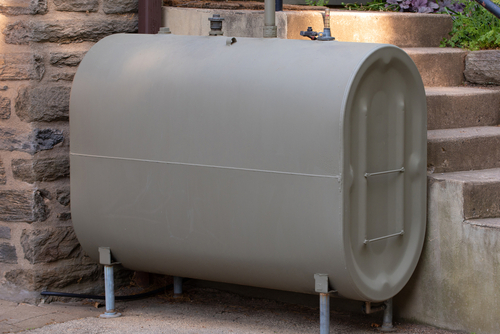
Heating oil tanks are constructed to endure decades of usage. Generally, aboveground tanks last about 15 to 25 years, depending on factors like installation quality, materials, and exposure to the elements. However, even the most durable tanks need replacement eventually.
If your tank was installed over 20 years ago, it might be nearing the end of its lifespan. Regular inspections and timely upgrades are critical for protecting your property and heating system.
Signs Your Heating Oil Tank Needs Replacement
Spotting early warning signs of oil tank failure can save you time, money, and hassle. Here’s what to look out for.
Visible rust, corrosion, or dents: If your tank has patches of rust, corrosion, or physical damage, it’s a clear sign that the tank’s structure could be compromised. These imperfections weaken the tank’s ability to hold oil safely and increase the likelihood of a leak.
Oil smells around the tank: Stronger-than-usual oil smells near your tank indicate that oil may be leaking, even if it’s not visible yet. Small leaks usually start subtly, but they can quickly escalate into significant problems.
Unstable or damaged legs: Heating oil tanks require stable support. If the tank’s legs appear unstable, bent, or rusted, it compromises the structural integrity, which could lead to a tank collapse.
Oil stains or wet spots: Inspect the ground or floor around your tank. Damp spots, oily stains, or puddles may be signs of a leak. Pay attention to even minor spots, as leaks worsen quickly if ignored.
Unexplained oil consumption: Have you noticed that your heating oil supply doesn’t seem to last as long as it used to? This could indicate inefficiencies or leaks within your tank system.
Tank age and lack of maintenance: If your oil tank is decades old and hasn’t been regularly inspected or serviced, it may hide internal damage. Professional maintenance is critical to discovering potential issues.
The Consequences of a Heating Oil Tank Failure
Failing to replace a compromised heating oil tank on time can lead to significant problems for homeowners, including:
Environmental damage: A leak from a corroded tank can cause oil to seep into the ground, contaminating soil and water sources. Cleaning up an oil spill is expensive and often requires professional remediation.
High repair and replacement costs: Waiting until your tank fails could mean paying not only for a replacement tank but also for emergency repairs and environmental cleanup. These costs can quickly add up and you’re on the hook for them as most home insurance policies do not cover your heating oil tank.
Disrupted heating: A failing tank puts your home’s heating system at risk. You may face sudden oil shortages or damage to your heating system, leaving your home uncomfortably cold.
How Much Does Heating Oil Tank Failure Cost?
While the cost of a new heating oil tank might seem significant, the price of dealing with an environmental cleanup or property damage from a tank failure can be astronomical. On average, remediating an oil spill can cost $20,000 to $50,000, and potentially more if groundwater contamination occurs.
Replacing your tank proactively is far more cost-effective and ensures uninterrupted heating for your family.
Why Choose The Fuel Company for Your Heating Oil Tank Needs
If you live in Yarmouth, MA, or nearby Cape Cod towns, The Fuel Company is your trusted partner for heating oil tank replacement. We specialize in expert installation and servicing, offering premium-quality tanks that provide peace of mind.
We are proud to supply Roth double-walled heating oil tanks, an industry leader known for superior reliability and safety. Key features include:
- 30-Year limited warranty: Backed by Roth’s confidence in its design.
- $2 million environmental liability policy: Added protection for your property.
- Sizes to meet every need: Tanks available in 110, 165, 275, and 400 gallons.
Roth tanks’ double-walled design ensures maximum protection against leaks, giving you unparalleled safety and efficiency.
For those seeking durable, cost-effective solutions, we also offer Granby steel heating oil tanks. These tanks deliver excellent longevity and performance, backed by trusted craftsmanship.
Our commitment to quality solutions extends beyond providing top-tier tanks—we’ll work closely with you to recommend the right size and model based on your home’s heating oil needs.
How to Transition to a New Heating Oil Tank
Upgrading your tank doesn’t need to be a hassle. Here’s how we ensure a simple process.
Contact The Fuel Company to discuss your heating oil needs. Our experienced team will evaluate your current system and recommend the best replacement options.
Based on your home’s requirements and oil consumption, we’ll help you choose a tank with the right capacity and features.
Our certified technicians will safely install your new tank, ensuring everything is up to code and functioning perfectly.
Your heating oil tank is the heart of your home’s comfort system. Replacing it proactively not only avoids costly risks but also ensures consistent heating for your family. Don’t wait until it’s too late. Trust The Fuel Company to provide top-notch solutions with unparalleled expertise.
Call us today to schedule a consultation and enjoy the confidence that comes with knowing your home is protected.
The post How to Know When It’s Time to Replace Your Heating Oil Tank appeared first on The Fuel Company.